
Something happens for many women in their late 30s, 40s, and 50s.
The workouts that used to work don't seem to produce the same results.
Body composition starts changing. Maintaining muscle feels harder. Recovery may take longer. And despite eating well and staying active, you might feel like your body isn't responding the way it used to.
It's frustrating, especially when you're putting in the effort.
But here's what we want women to understand:
Your body is changing, and your approach to fitness may need to change with it.
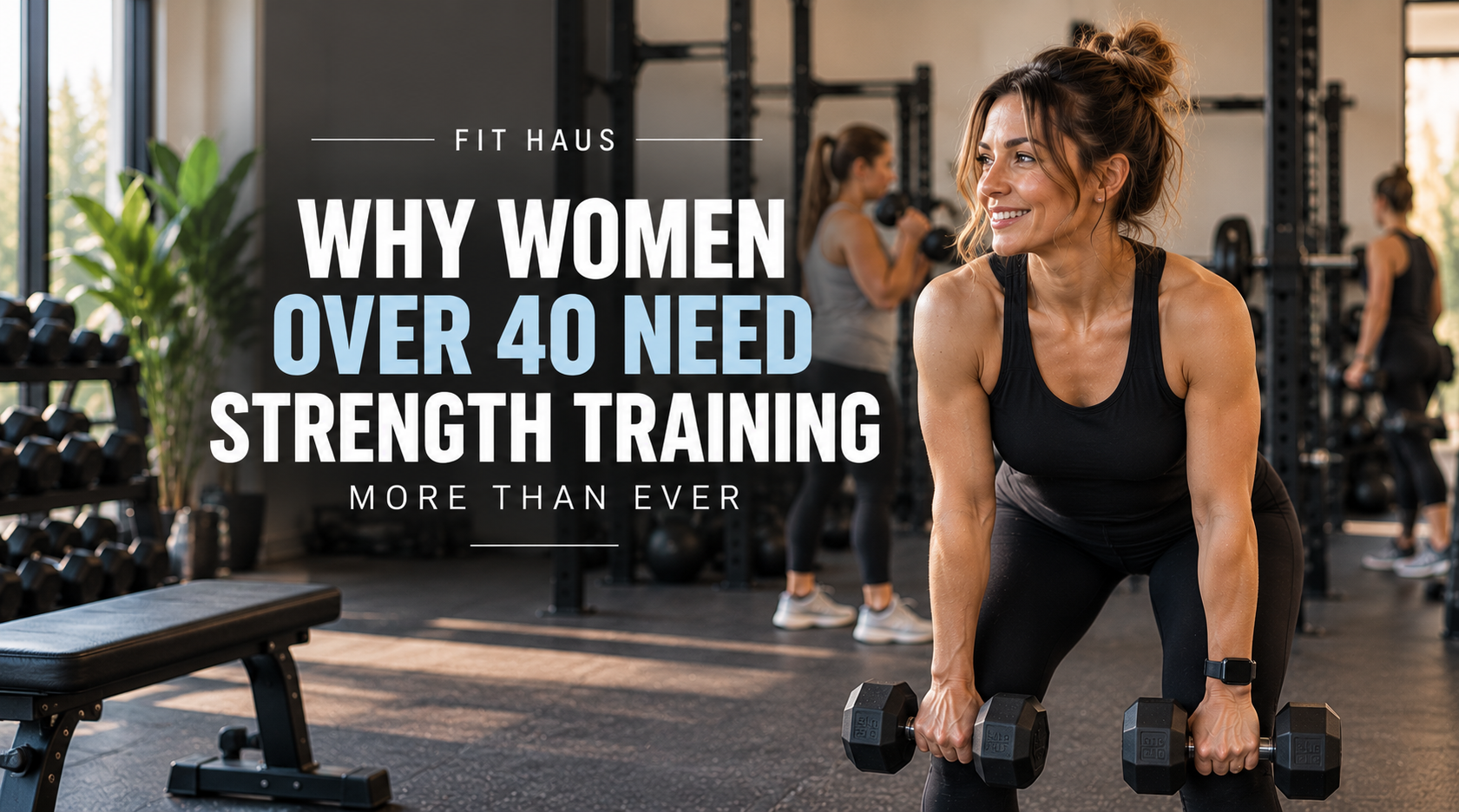
For women entering perimenopause, menopause, and beyond, strength training becomes one of the most valuable investments they can make in their long-term health.
As women age, several physiological changes can influence their strength, body composition, and overall fitness.
During perimenopause and menopause, estrogen levels fluctuate and eventually decline. At the same time, age-related changes in muscle mass, fat distribution, and bone density may become more noticeable.
You might experience:
Not every woman experiences these changes in the same way.
And importantly, these changes don't mean you're destined to become weaker or less fit.
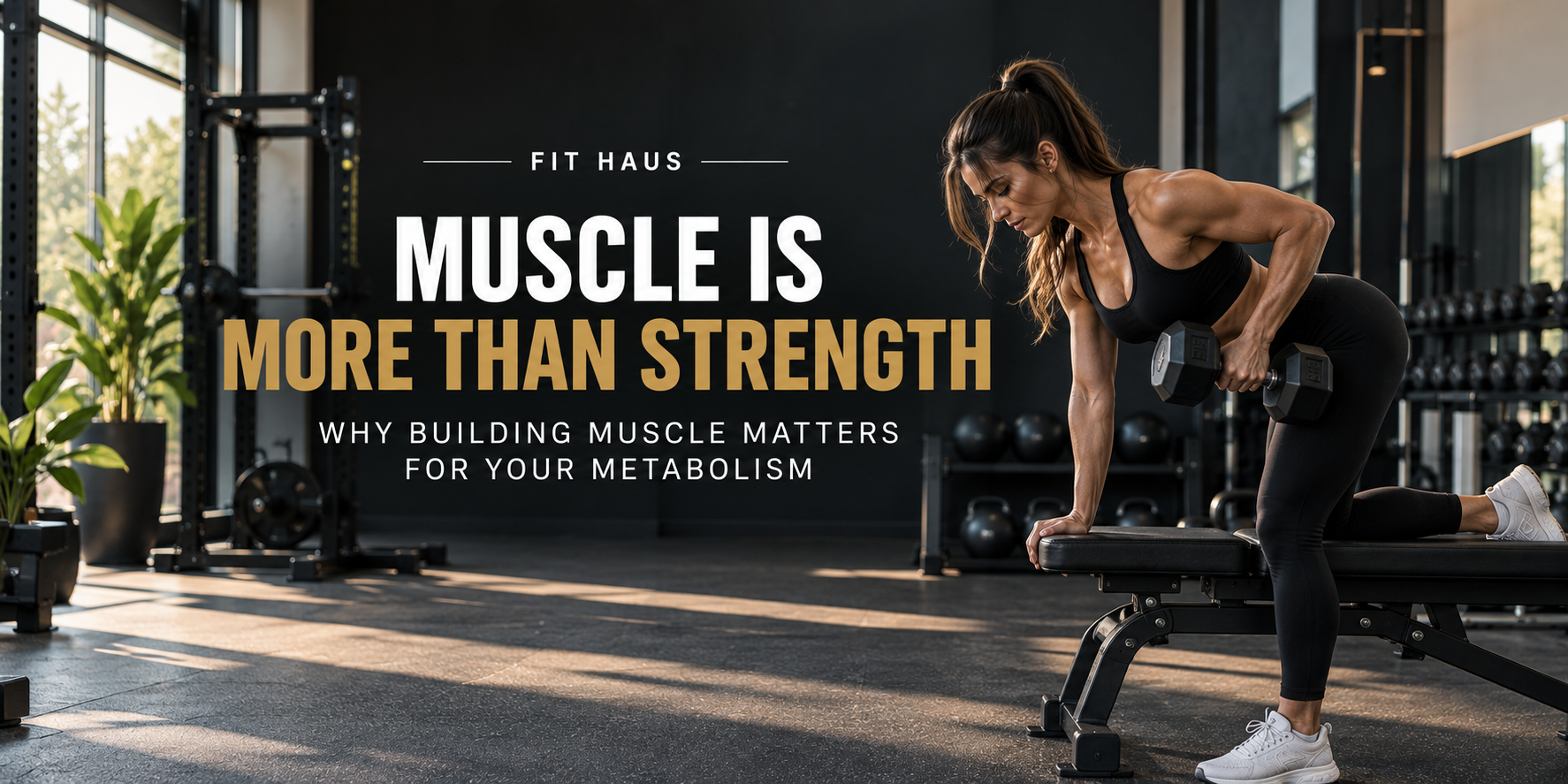
Muscle isn't just about looking toned.
It supports metabolism, blood sugar regulation, balance, movement, and physical independence.
As we get older, we naturally become more susceptible to age-related muscle loss, particularly when we're inactive.
Strength training helps counteract that process by giving our muscles a reason to maintain and build strength.
Think about what that means beyond the gym.
Carrying groceries.
Lifting luggage.
Playing tennis.
Keeping up with your kids.
Traveling.
Getting off the floor without assistance.
The muscle you maintain today supports the life you want to live tomorrow.
This is one of the most important reasons women should prioritize resistance training as they age.
Estrogen plays an important role in maintaining bone density. As estrogen levels decline during menopause, bone loss can accelerate.
That increases the importance of activities that challenge the skeletal system.
Resistance training and appropriate weight-bearing exercise can help maintain bone strength and support bone health.
While exercise alone cannot prevent every case of osteoporosis, it is an important component of a long-term bone-health strategy.
Many women notice changes in abdominal fat distribution during the menopausal transition.
This can happen even when their overall weight hasn't changed dramatically.
Hormonal changes, aging, sleep, physical activity, and nutrition can all contribute.
Unfortunately, no exercise can specifically target fat loss from the stomach.
Doing hundreds of crunches won't selectively burn belly fat.
But resistance training can help improve body composition by preserving or increasing muscle while supporting overall metabolic health.
Combining strength training with cardiovascular exercise, adequate nutrition, and consistent sleep is generally more effective than searching for one exercise that promises to eliminate belly fat.
This is where fitness advice can become confusing.
Some people say women should use light weights and perform high repetitions.
Others insist that lifting heavy is the only way to build muscle.
The reality is more nuanced.
Women can build strength and muscle using a range of resistance levels, provided the exercises are appropriately challenging and progressively advanced.
Heavier resistance can be particularly effective for developing maximal strength, while moderate loads can also stimulate muscle growth.
The important factors include proper technique, appropriate intensity, consistency, and progressive overload.
You don't need to lift the heaviest weight in the room.
But you do need to challenge your muscles enough to give them a reason to adapt.
Absolutely.
Cardiovascular exercise supports heart health, endurance, and overall fitness.
But cardio and strength training aren't interchangeable.
Cardio challenges your cardiovascular system.
Strength training helps preserve and develop muscle strength.
Both matter, particularly as we age.
Rather than choosing one over the other, a balanced routine should generally include both.
And contrary to a common fitness myth, cardio doesn't automatically cause harmful cortisol levels or prevent belly-fat loss.
Exercise temporarily increases certain stress hormones as part of a normal physiological response. That doesn't make cardiovascular training inherently harmful.
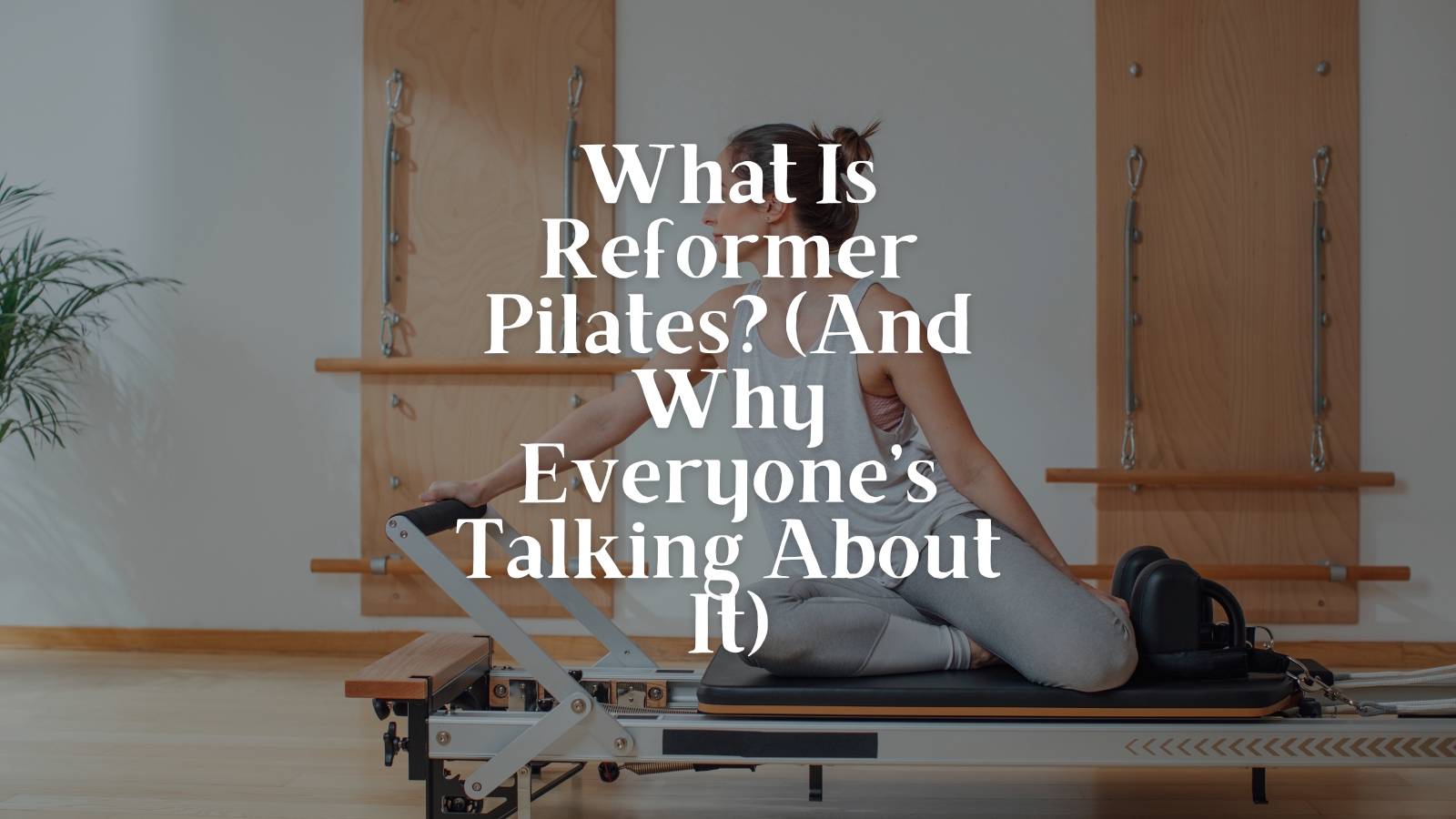
Reformer Pilates can be an excellent complement to strength training.
Pilates emphasizes controlled movement, core strength, coordination, balance, and stability.
For women over 40, these qualities are valuable.
However, if your primary goal is increasing muscle mass and maximal strength, progressive resistance training should remain an important part of your routine.
The two approaches can work extremely well together.
For example:
Your ideal schedule depends on your goals, fitness level, and recovery needs.
Training provides the stimulus for muscle development.
Nutrition and recovery help your body respond.
Adequate protein is particularly important for maintaining and building muscle.
Sleep also matters, especially when hormonal changes are already affecting sleep quality.
You don't need a complicated routine.
You need a sustainable combination of challenging exercise, appropriate nutrition, and sufficient recovery.
One of the biggest misconceptions about strength training is that you need to start young.
You don't.
Women can improve strength and physical function well into later adulthood.
Whether you're 40, 50, 60, or beyond, appropriately programmed resistance training can make a meaningful difference.
And if you've never lifted weights before, that's okay.
You don't need to know how to use every piece of equipment.
You need a starting point, proper instruction, and a program that progresses with you.
For years, women have been encouraged to exercise primarily to lose weight.
Burn more calories.
Eat less.
Get smaller.
But as we age, that mindset can overlook something incredibly important:
Maintaining muscle, strength, and physical capacity matters just as much as changing the number on the scale.
Instead of asking how much weight you can lose, start asking:
How strong can I become?
How well can I move?
How can I protect my bones?
What can I do today to support my health 20 years from now?
Those are goals worth pursuing.
Your body will continue changing throughout your life.
But that doesn't mean your best years of strength and fitness are behind you.
At Fit Haus, we help women build strength through structured small-group training, personalized coaching, and Reformer Pilates.
Our goal isn't simply to help you get through a workout.
It's to help you become stronger, more confident, and more capable for the years ahead.
Whether you're new to resistance training, returning after a break, or looking for a more structured approach, Fit Haus offers small-group strength training and Reformer Pilates to support your goals.
Your body is changing. Your strength can keep growing.
Fit Haus
19255 Everett Ln Unit C, Mokena, IL 60448
815-201-2444
www.fithausteam.com