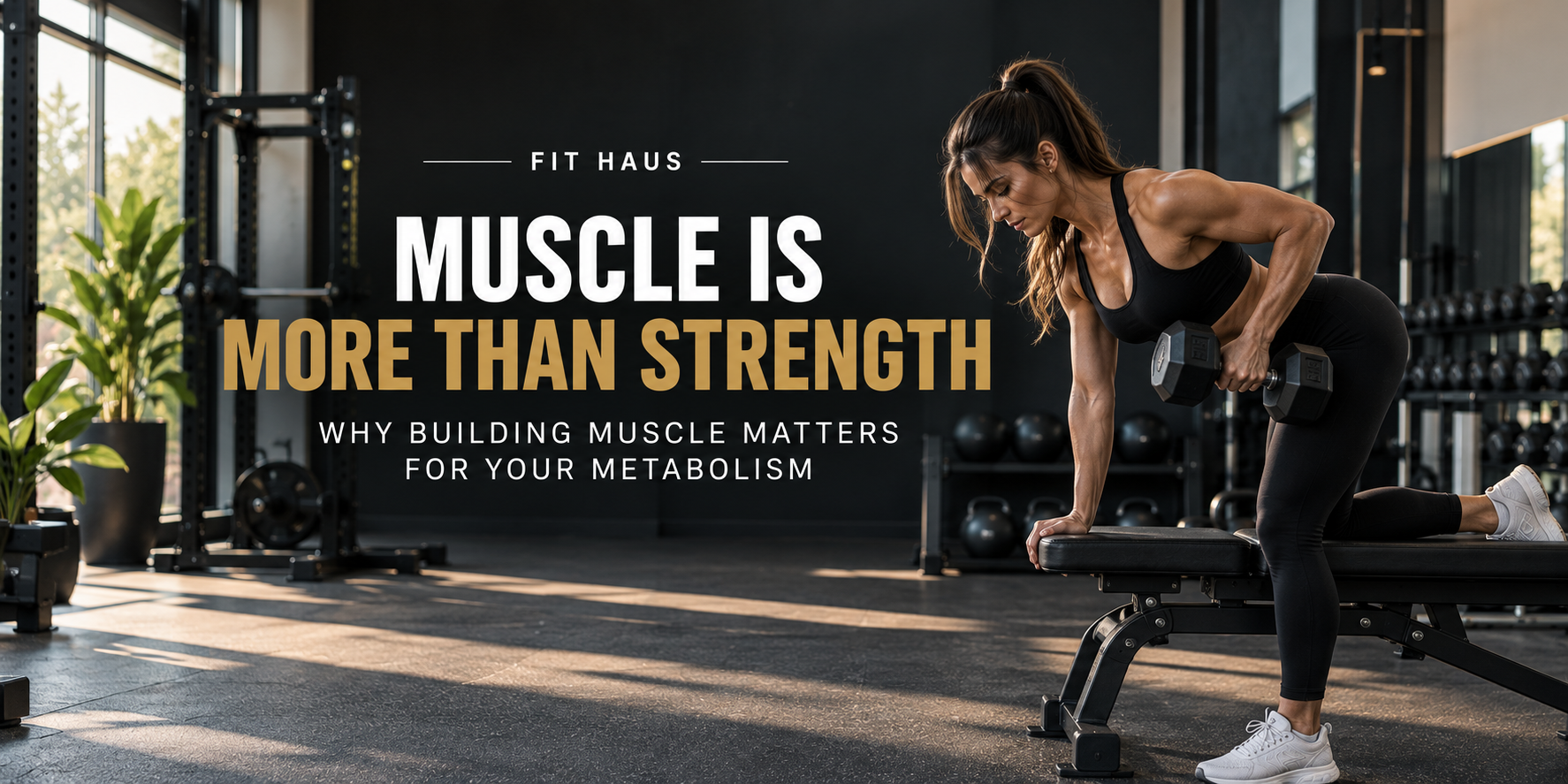

When most people hear "build muscle," they picture bigger arms, defined legs, or lifting heavier weights.
But muscle does much more than change the way your body looks.
Muscle is metabolically active tissue that plays an important role in how your body uses energy, manages blood sugar, supports movement, and maintains physical function as you age.
That's why strength training isn't just for athletes or people trying to change their physique.
Building and maintaining muscle is part of taking care of your health.
Your metabolism isn't simply about how many calories you burn.
It's the collection of processes your body uses to convert food into energy and keep you functioning.
Muscle requires energy to maintain, and having more lean mass can contribute to a higher resting energy expenditure. But the metabolic benefits of muscle go beyond calorie burning.
Skeletal muscle is also one of the primary places your body uses and stores glucose.
When you exercise - particularly through resistance training - your muscles increase their demand for glucose.
Over time, regular physical activity can support better insulin sensitivity and your body's ability to regulate blood sugar.
Starting in adulthood, we can gradually lose muscle as we get older, particularly if we're inactive.
And losing muscle isn't just an aesthetic issue.
Less muscle can affect:
The good news is that getting older doesn't mean you have to accept becoming weaker.
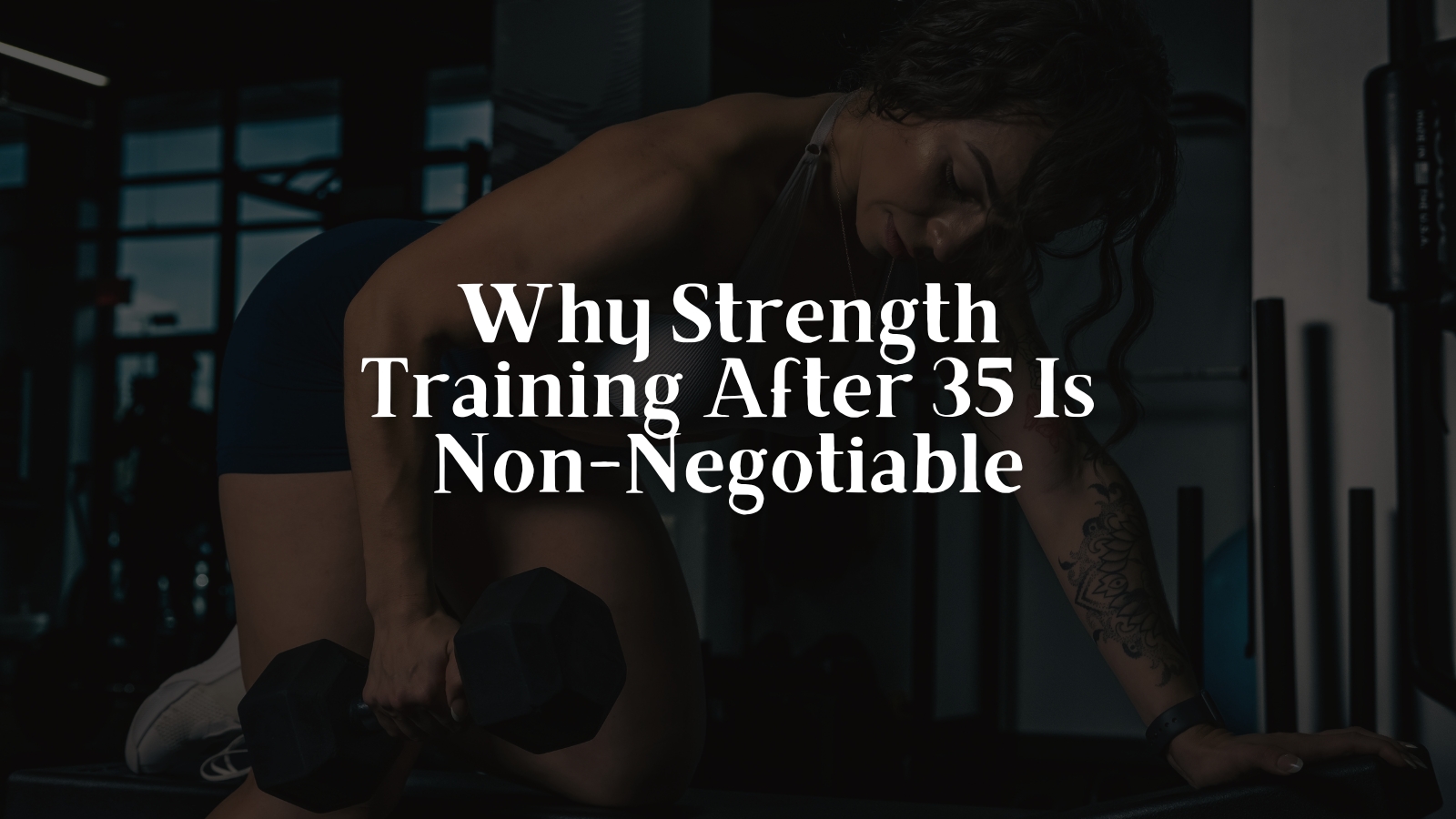
Strength training gives your body a reason to maintain - and potentially build - muscle.
This is another reason we don't want people measuring all of their progress by body weight.
Imagine losing five pounds of body fat while gaining several pounds of muscle.
The scale might barely move.
But your body composition has changed.
You may be stronger, your clothes may fit differently, and your metabolic health may be improving even though the number on the scale isn't dramatically different.
That's why body composition often tells us more than body weight alone.
Building muscle doesn't mean you have to spend hours lifting extremely heavy weights.
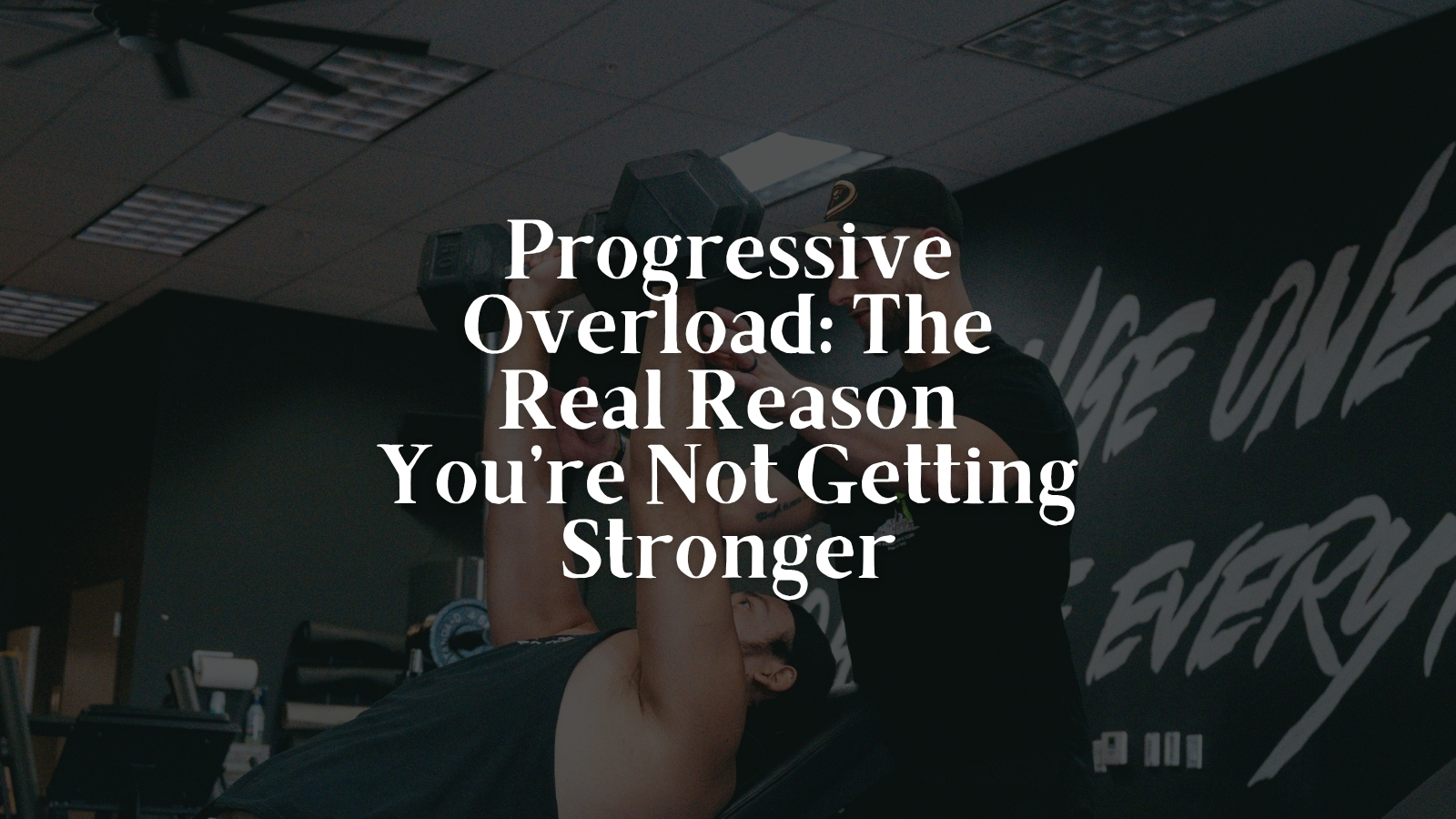
For most adults, the goal is simply to challenge the muscles progressively.
That might mean:
This concept is called progressive overload, and it's one of the foundations of effective strength training.
Your body adapts to what you repeatedly ask it to do.
If you want to become stronger, you need to gradually give it a reason to adapt.
Here's something many people don't think about:
Your muscles aren't just there to move your body.
They're also an important destination for the carbohydrates you eat.
After a meal, glucose enters your bloodstream. Insulin helps move that glucose into cells, including skeletal muscle, where it can be used for energy or stored for later.
Regular exercise and maintaining healthy muscle tissue can support this process.
That's one reason resistance training can be an important component of overall metabolic health.
Strength training provides the stimulus.
Your body still needs the building blocks to repair and maintain muscle.
That's where adequate nutrition - particularly protein - becomes important.
Protein provides amino acids your body uses to repair muscle tissue after training.
You don't need a complicated diet.
But consistently eating enough protein, consuming adequate overall nutrition, and pairing that with resistance training creates a much better environment for maintaining muscle.
You probably don't wait until retirement to start saving for it.
Muscle should be viewed similarly.
Building and maintaining it now gives you a greater physical reserve for later.
You aren't only training for today's workout.
You're training so that decades from now you can still:
Carry your groceries.
Lift your suitcase.
Climb stairs.
Travel.
Play sports.
Get off the floor.
Keep doing the things you love.
A workout doesn't need to burn the maximum number of calories to be valuable.
Instead of always asking:
"How many calories did I burn?"
Start asking:
"What am I building?"
Strength.
Muscle.
Bone.
Endurance.
Confidence.
Physical capacity.
Those are investments that can continue paying you back long after today's workout ends.
At Fit Haus, strength training isn't about turning everyone into a bodybuilder.
It's about helping people become stronger, healthier, and more capable.
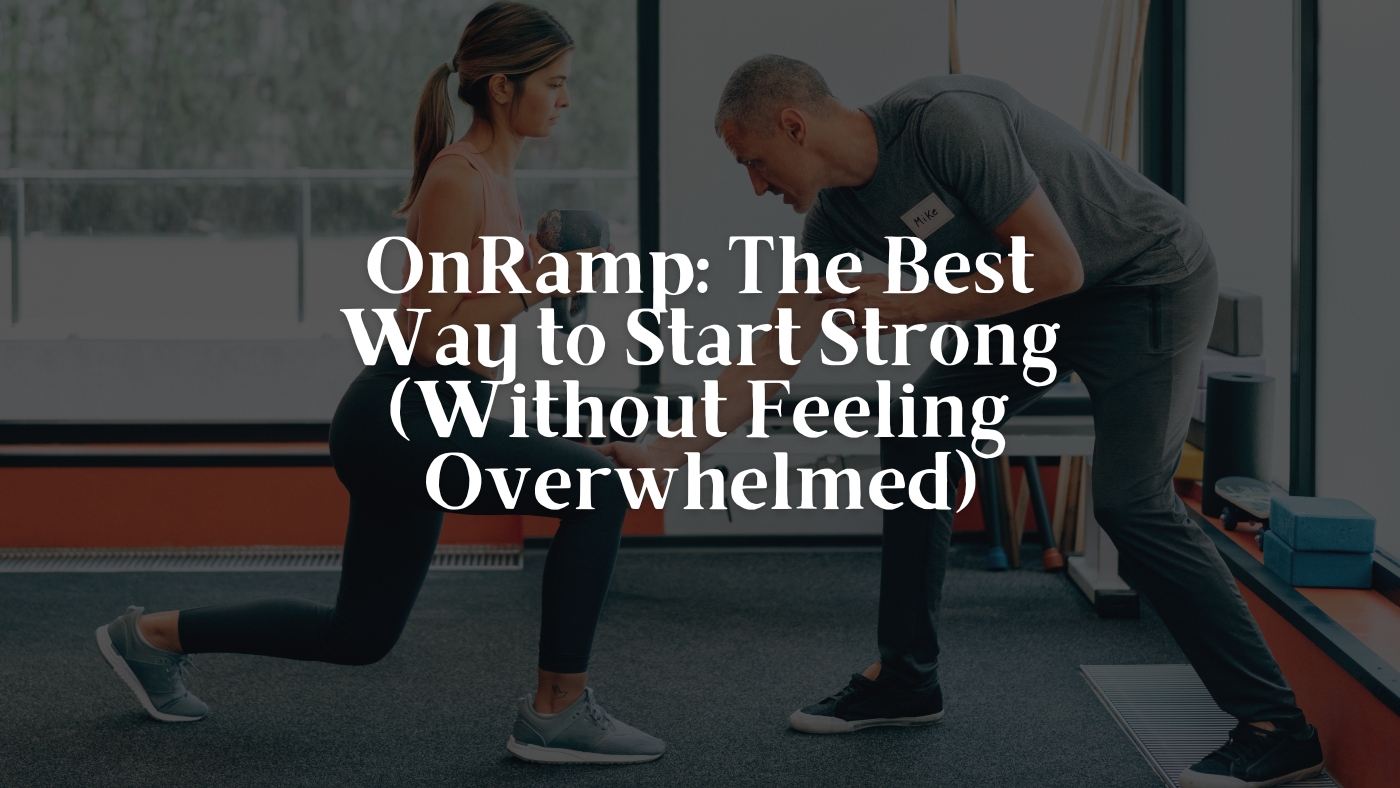
Our small-group strength training and personal training programs use progressive resistance and structured programming to help members continue challenging their bodies as they improve.
Because muscle isn't just something you build for the mirror.
It's something you build for your health and your future.
📍 Fit Haus
19255 Everett Ln Unit C, Mokena, IL 60448
📞 815-201-2444
🌐 www.fithausteam.com

.jpg)












-5.jpg)
-4.jpg)
-3.jpg)
-2.jpg)
.jpg)

-5.jpg)
-4.jpg)
-3.jpg)
-2.jpg)
.jpg)
-6.jpg)
-5.jpg)
-4.jpg)
-2.jpg)
-7.jpg)
-6.jpg)
-5.jpg)
-4.jpg)
-2.jpg)
%20(3).jpg)
%20(2).jpg)
%20(1).jpg)
.jpg)
-5.jpg)
-4.jpg)
-2.jpg)
.jpg)
-6.jpg)
-5.jpg)
-4.jpg)
-2.jpg)
.jpg)
-9.jpg)
-8.jpg)
-7.jpg)
-6.jpg)
-5.jpg)
-4.jpg)
-3.jpg)
-5.jpg)
-3.jpg)
-4.jpg)
.jpg)