You've probably heard someone say that intense exercise raises cortisol, causes belly fat, or makes it harder to lose weight.
Maybe you've even been told to stop doing cardio, avoid high-intensity workouts, or switch entirely to low-impact exercise.
But is exercise really making your stress worse?
The answer isn't that simple.
Exercise is a form of physical stress, but that doesn't make it harmful. In fact, appropriately programmed exercise can help your body become more resilient to stress over time.
The key is understanding the difference between challenging your body and overwhelming it.
Cortisol is often called the "stress hormone," but it does much more than respond to stressful situations.
Produced by your adrenal glands, cortisol helps regulate:
Cortisol naturally fluctuates throughout the day, typically rising in the morning and decreasing toward bedtime.
And here's something important:
Cortisol isn't bad. Your body needs it to function.
The goal isn't to eliminate cortisol. It's to support healthy regulation of your body's stress-response systems.
Yes, certain types of exercise can temporarily increase cortisol levels.
But that isn't necessarily a problem.
During challenging exercise, your body releases hormones that help mobilize energy and respond to physical demands.
This is a normal physiological response.
Over time, regular exercise can improve cardiovascular fitness, physical capacity, and how your body responds to stress.
The problem isn't that your cortisol rises during a workout.
It's when your overall training demands consistently exceed your ability to recover.
This is one of the most common fitness myths circulating online.
You may have heard that women, especially those over 40, should avoid high-intensity exercise because cortisol causes abdominal fat.
But temporary cortisol increases during exercise do not automatically cause belly-fat accumulation.
Body-fat distribution is influenced by many factors, including genetics, age, hormonal changes, nutrition, sleep, and overall activity levels.
Chronically elevated cortisol associated with certain medical conditions can affect fat distribution, but that is not the same as the normal hormonal response to a workout.
You don't need to avoid challenging exercise simply because it temporarily raises cortisol.
What matters is the overall balance between training, recovery, nutrition, and lifestyle stress.
Think about everything your body manages throughout the day.
Work deadlines.
Family responsibilities.
Poor sleep.
Emotional stress.
Travel.
Busy schedules.
Now add intense workouts five or six days per week.
While exercise can help manage stress, excessive training combined with inadequate recovery may leave you feeling more fatigued rather than energized.
Some signs that your training and recovery may be out of balance include:
These symptoms aren't specific to overtraining and can have other causes, so persistent changes deserve attention.
The solution isn't necessarily to stop exercising.
Sometimes it's to adjust how you're training.
Strength training offers benefits beyond building muscle.
Regular resistance exercise can support mental well-being, improve confidence, and help reduce symptoms of anxiety and depression.
There's also something empowering about becoming physically stronger.
Movements that once felt difficult become manageable.
You begin recognizing what your body is capable of.
And for many people, having a structured workout provides a valuable mental break from daily responsibilities.
Strength training doesn't have to leave you completely exhausted to be effective.
A well-designed program should challenge you enough to improve while allowing you to recover and continue progressing.
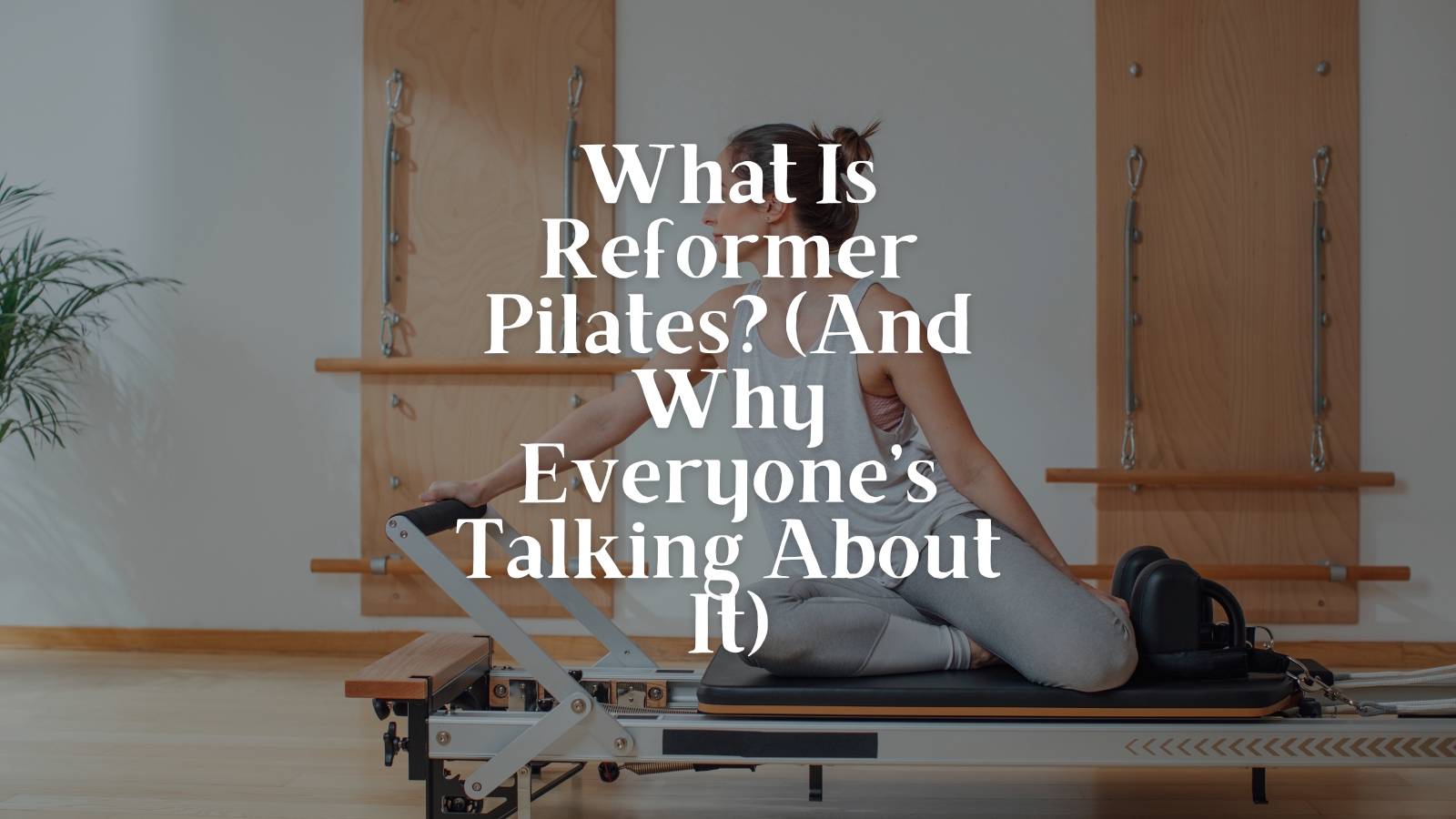
Reformer Pilates offers a different training experience.
While Pilates can be physically challenging, it emphasizes controlled movement, coordination, breathing, stability, and body awareness.
For someone managing a demanding schedule, Pilates can provide an opportunity to focus on movement without the same cardiovascular demands as an intense conditioning session.
That doesn't mean Pilates automatically lowers cortisol or that it's always better for stress.
It simply provides another way to move and challenge your body.
And for many people, combining strength training with Pilates creates a more balanced routine.
Cardiovascular exercise is important for heart health, endurance, and overall fitness.
Walking, cycling, rowing, running, and interval training can all have a place in a healthy exercise program.
You don't need to eliminate cardio because you're worried about cortisol.
Instead, consider how much intensity your body can realistically handle.
Not every cardio session needs to be a maximum-effort workout.
Some days, an easy walk or moderate cycling session may be exactly what fits your recovery needs.
Other days, higher-intensity conditioning may be appropriate.
Different intensities serve different purposes.
You can have an excellent workout program, but if you're consistently sleeping poorly, skipping meals, and managing high levels of daily stress, your performance may suffer.
Before blaming your workout for your stress levels, consider the bigger picture.
Are you sleeping enough?
Are you eating enough to support your activity?
Are you allowing recovery between challenging sessions?
Are you taking rest days?
Are you adjusting your routine when life becomes unusually demanding?
At Fit Haus, we encourage members to think about fitness as more than the workout itself.
Our strength training, Reformer Pilates, and recovery services offer different ways to support a balanced routine.
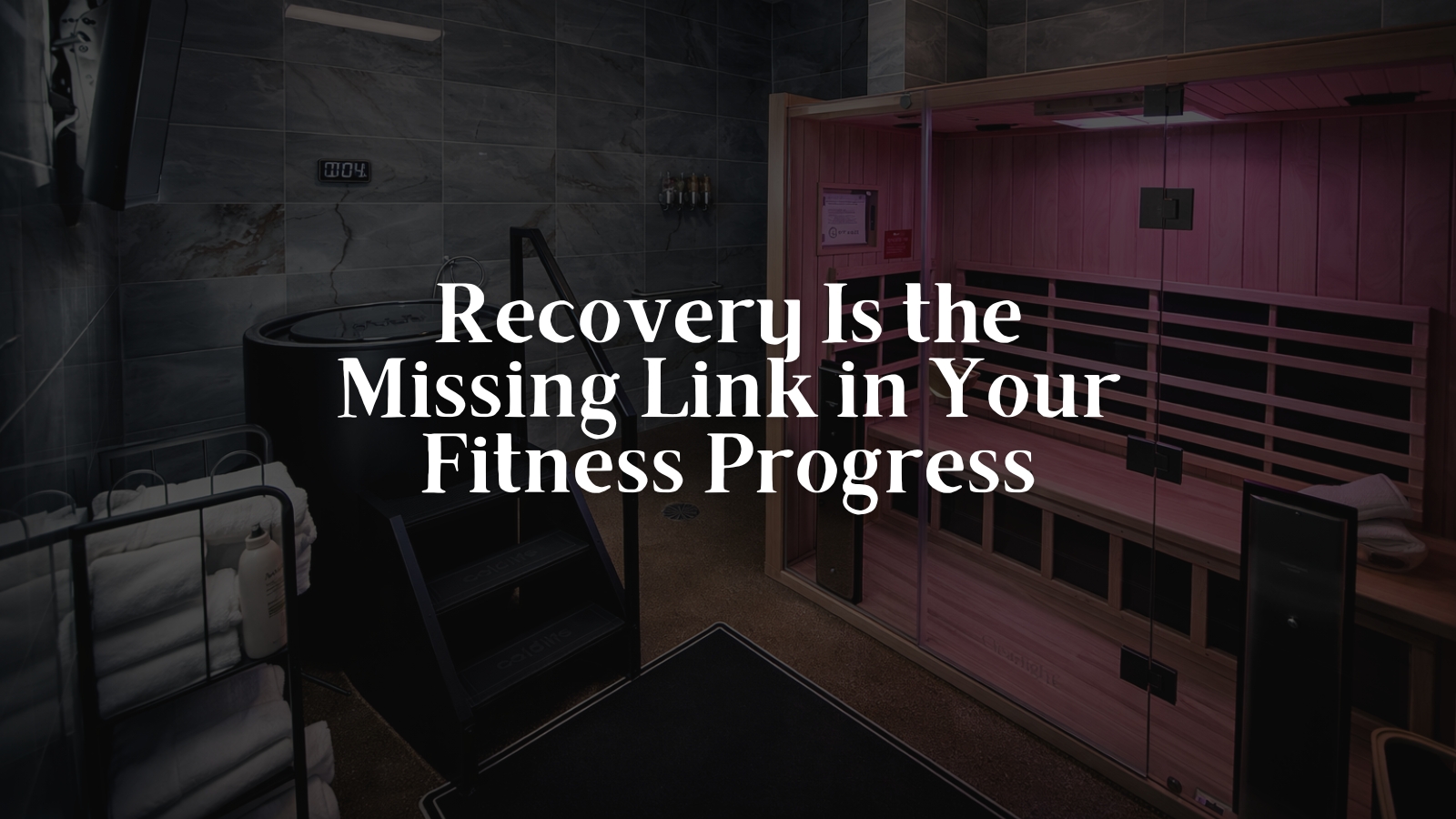
Infrared sauna, cold plunge, and compression therapy may also provide an enjoyable opportunity to relax and prioritize recovery, although they aren't substitutes for sleep, nutrition, or appropriate training.
There's no perfect schedule for everyone.
But someone balancing work, family, and other responsibilities might benefit from a routine like this:
Day
Focus
Monday
Strength training
Tuesday
Reformer Pilates
Wednesday
Walking or rest
Thursday
Strength training
Friday
Moderate cardio or conditioning
Saturday
Optional Pilates, strength, or recovery
Sunday
Rest
The goal isn't to avoid challenging workouts.
It's to distribute your training demands in a way that allows you to perform well and recover.
Your ideal routine will depend on your experience, goals, sleep, and overall workload.
Start asking a better question:
"Is my training helping me become stronger, healthier, and more resilient?"
If you're progressing, sleeping well, recovering adequately, and feeling good overall, challenging exercise may be serving you well.
If you're constantly exhausted, struggling to recover, or seeing your performance decline, it may be time to adjust your routine.
You don't need to choose between intense exercise and gentle movement.
You need the right balance for your body and your life.
Fitness shouldn't become another source of pressure in an already demanding life.
At Fit Haus, we believe in challenging your body intelligently through structured strength training, conditioning, Reformer Pilates, and recovery.
Some days you'll lift heavy.
Some days you'll push your endurance.
Other days you'll focus on control, mobility, or rest.
All of those can contribute to long-term progress.
The goal isn't to eliminate stress from exercise. It's to build a body that's better equipped to handle life's demands.
Not sure whether you should focus on strength training, Pilates, conditioning, or recovery?
Our team can help you explore a realistic routine that supports your goals and lifestyle.
Fit Haus
19255 Everett Ln Unit C, Mokena, IL 60448
815-201-2444
www.fithausteam.com